

Reports claim that Russian lab worker may have caused community transmission of deadly pulmonary variant of Yersinia pestis.
Please Follow us on Gab, Minds, Telegram, Rumble,Truth Social, Gettr, X , Youtube, Instagram
For centuries the word “plague” (la peste in French, la peste in Italian, die Pest in German) instantly truck terror in the hearts of everyone.
The worst outbreak of the plague, also called the “Black Death,” in history was in 1347. It is now believed to have originated in the Chuy Valley of Kazakhstan and spread along trade routes before reaching Europe by way of rodents such as black rats infesting baggage trains and ships. The rodents were infested with fleas that acted as as vectors for the Yersinia pestis bacterium. The rats and fleas quickly infested ports, trading centers, andovercrowded medieval towns and cities with poor sanitation.
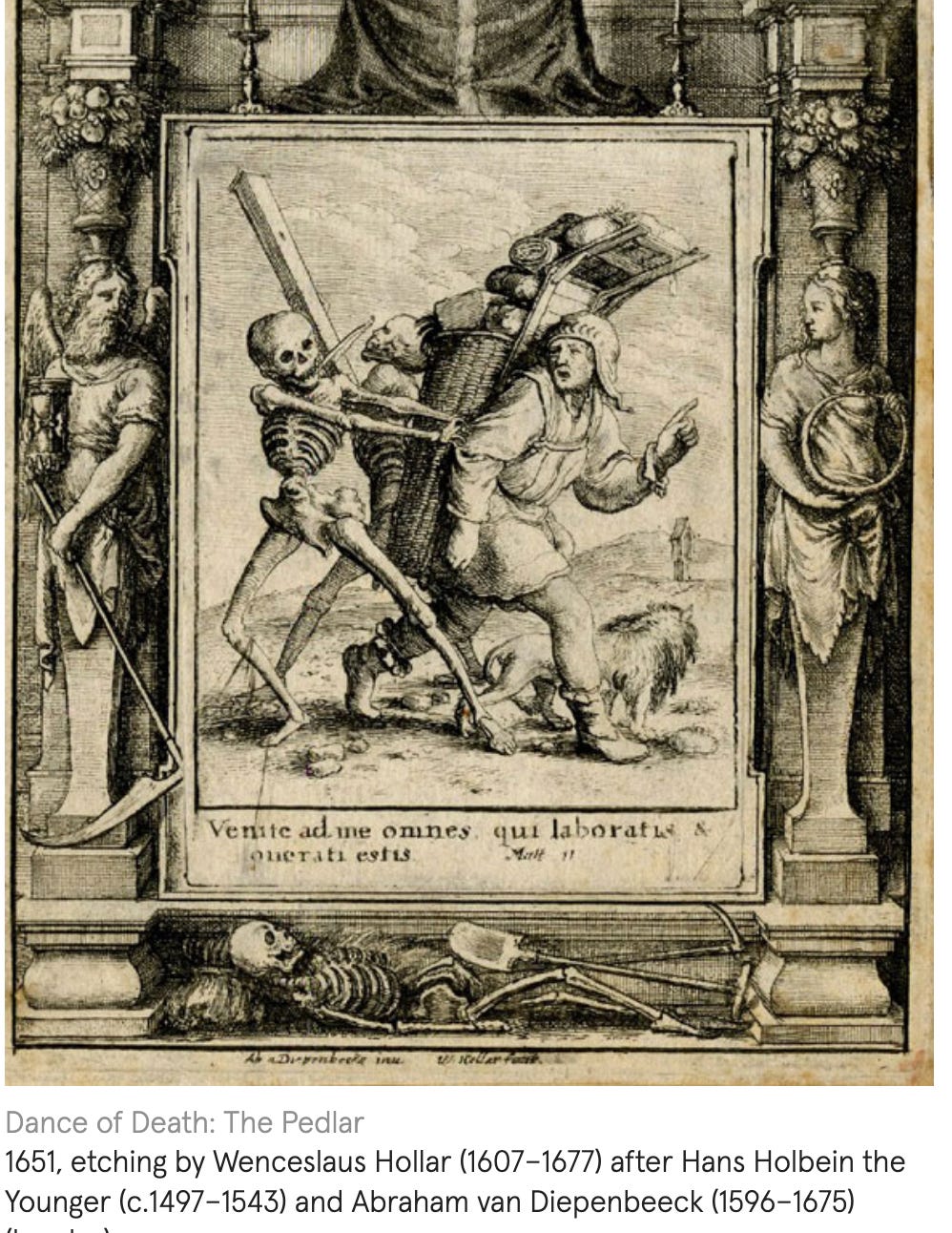
Major European outbreaks occurred between 1347 and 1353, killing an estimated 25–60% of the population in affected regions. The Great Plague of Marseille in 1720 was the last major epidemic in Western Europe, while Russia recorded the Russian plague of 1770–1772 in Moscow.
The cessation of outbreaks in the 20th century is largely attributed to improved urban sanitation. San Francisco experienced a minor outbreak in 1907-08. The last (minor) outbreak in Europe was in 1945 in Taranto, Italy at the close of World War II.
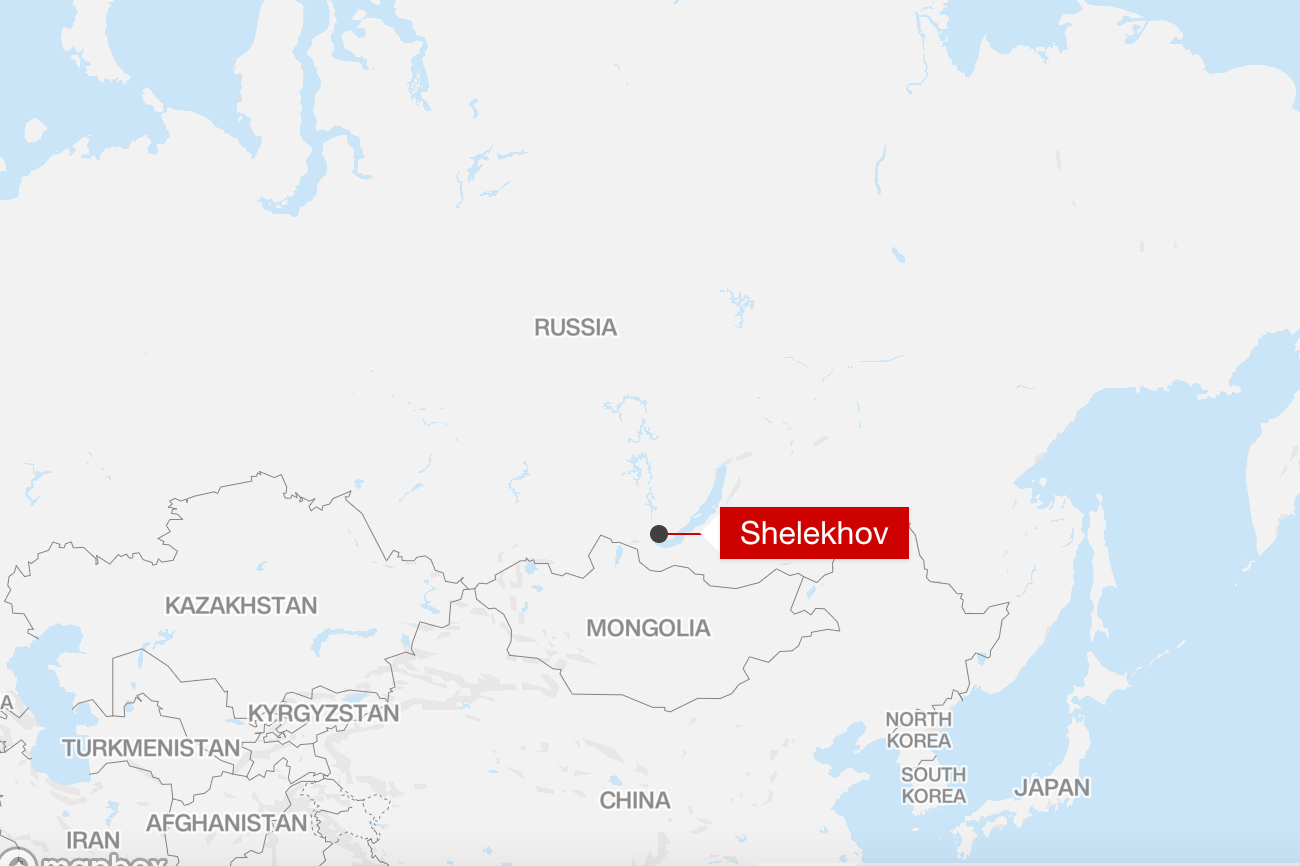
What are we to make of recent reports of the death of a laboratory technician at the Irkutsk Anti-Plague Research Institute in Shelekhov, near Irkutsk?
Local and independent Russian outlets identified her as 28-year-old Darya (or Daria) Shipilova. She was hospitalized on or about 29 September with severe pneumonia, placed on a ventilator, and died on October 2. Nearly 200 contacts were placed under medical observation, hospital wards were quarantined, and regional officials spoke of anti-epidemic measures. A U.S. State Department official said Washington was monitoring reports of a fatal case of suspected pneumonic plague.
According to the official Russian account provided by the Rospotrebnadzor (federal consumer-health agency) the victim was diagnosed with “pneumonia of unknown aetiology” and that expanded testing did not detect microorganisms linked to her work. It also denied that a laboratory accident involving pathogenic organisms had taken place.
Unofficial accounts, including from the regional outlet People of Baikal, said she told staff she had broken a test tube of live bacteria around 25 September. The head of neighboring Buryatia said she had died “possibly from the plague,” while denying any outbreak in his republic. Some reports also mentioned a field trip near the Mongolian border, so the source of infection—and if it was indeed plague—remains disputed.
Here it is important to understand the distinction between the endemic reservoir of plague—also known as Bubonic plague (from boubon, Greek for “groin” or “swollen lymph node).
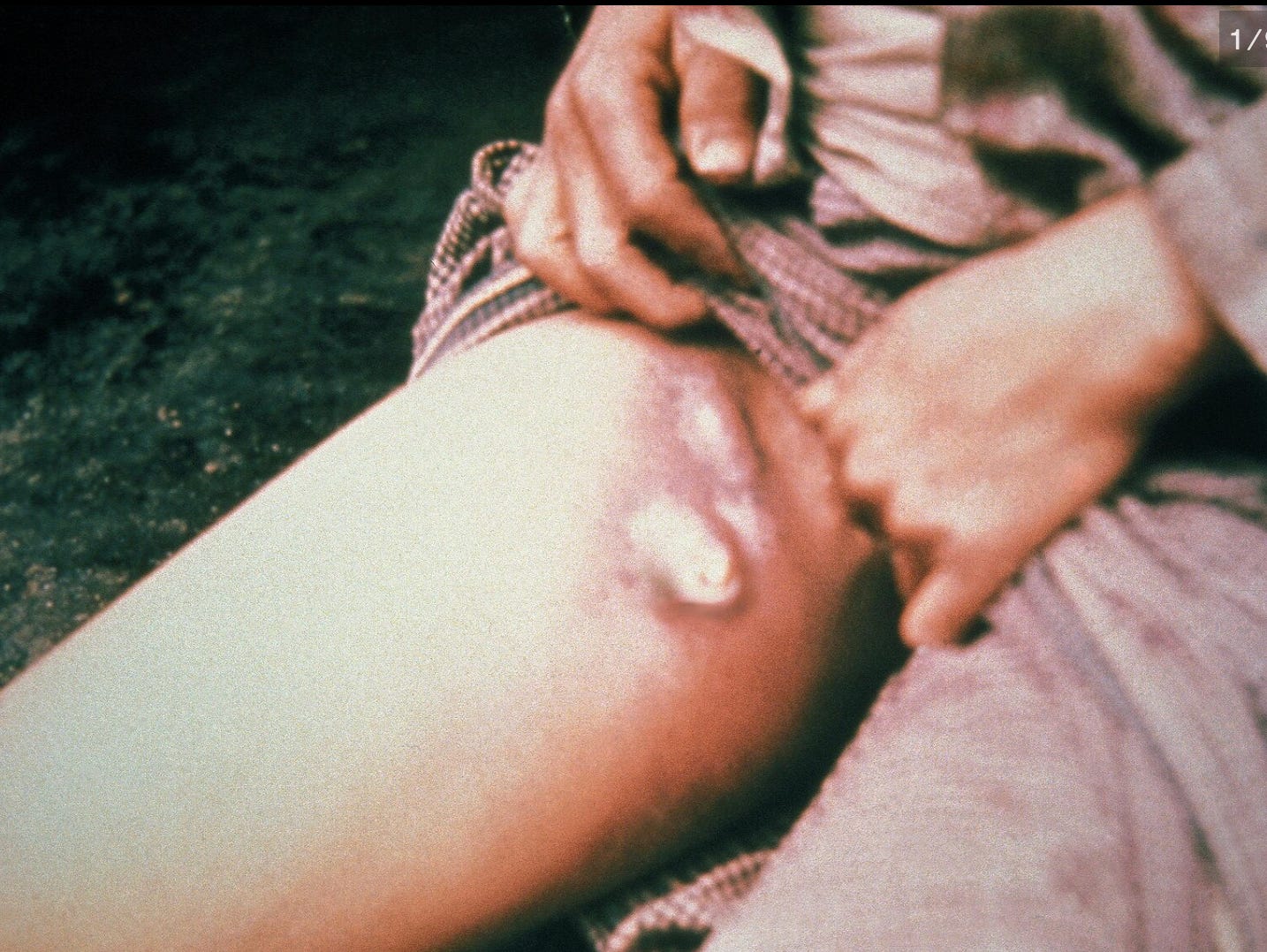
- The Endemic Reservoir (Bubonic): The disease naturally circulates permanently in wild rodent populations, particularly marmots and ground squirrels, across the steppes of Mongolia and Russian border regions like Altai, Tuva, and Buryatia. When humans contract it directly from these animals (via flea bites or handling meat) it typically manifests as bubonic plague.
- The Pneumonic Form: Pneumonic plague—the highly lethal lung infection that spreads person-to-person through respiratory droplets—is not independently endemic. Instead, pneumonic plague occurs secondary to a bubonic infection when the bacteria spreads to the lungs, or during sudden localized outbreaks or laboratory accidents.
Irkutsk Anti-Plague Research Institute in Shelekhov claims it is in the business of studying plague in a region where the bacterium is endemic. Naturally one wonders—as one should wonder about all biosecurity labs operating in the world—if the true purpose of the lab is to conduct bioweapons research.
Japan, the Soviet Union, and the United States have all weaponized the plague bacterium in the past, though these programs were ostensibly terminated by the Bioweapons Convention that went into force in 1975.
Pneumonic plague is known to cause person to person spread, but with far LESS efficiency than the spread of viral respiratory infections such as the common cold, flu, and COVID-19.
Once the bacteria reach the lungs, they can be expelled in respiratory droplets when the patient coughs or breathes closely with others. Inhalation of these droplets can produce primary pneumonic plague in a new host, often within a few days, and that form can then transmit onward the same way.
Bubonic plague does not readily pass from person to person unless it progresses to the lungs. Untreated pneumonic plague is frequently fatal, but antibiotics are effective if given early. According to the latest reports, a plague outbreak in Shelekhov has not been officially confirmed, and authorities say the regional situation remains stable.
The incident occurs at a time when the West appears to be spoiling for war with Russia, so reporting from both sides is likely contaminated with propaganda.
Nowadays I often think about Albrecht Duerer’s 1498 woodcut depicting the Four Horsemen of the Apocalypse.
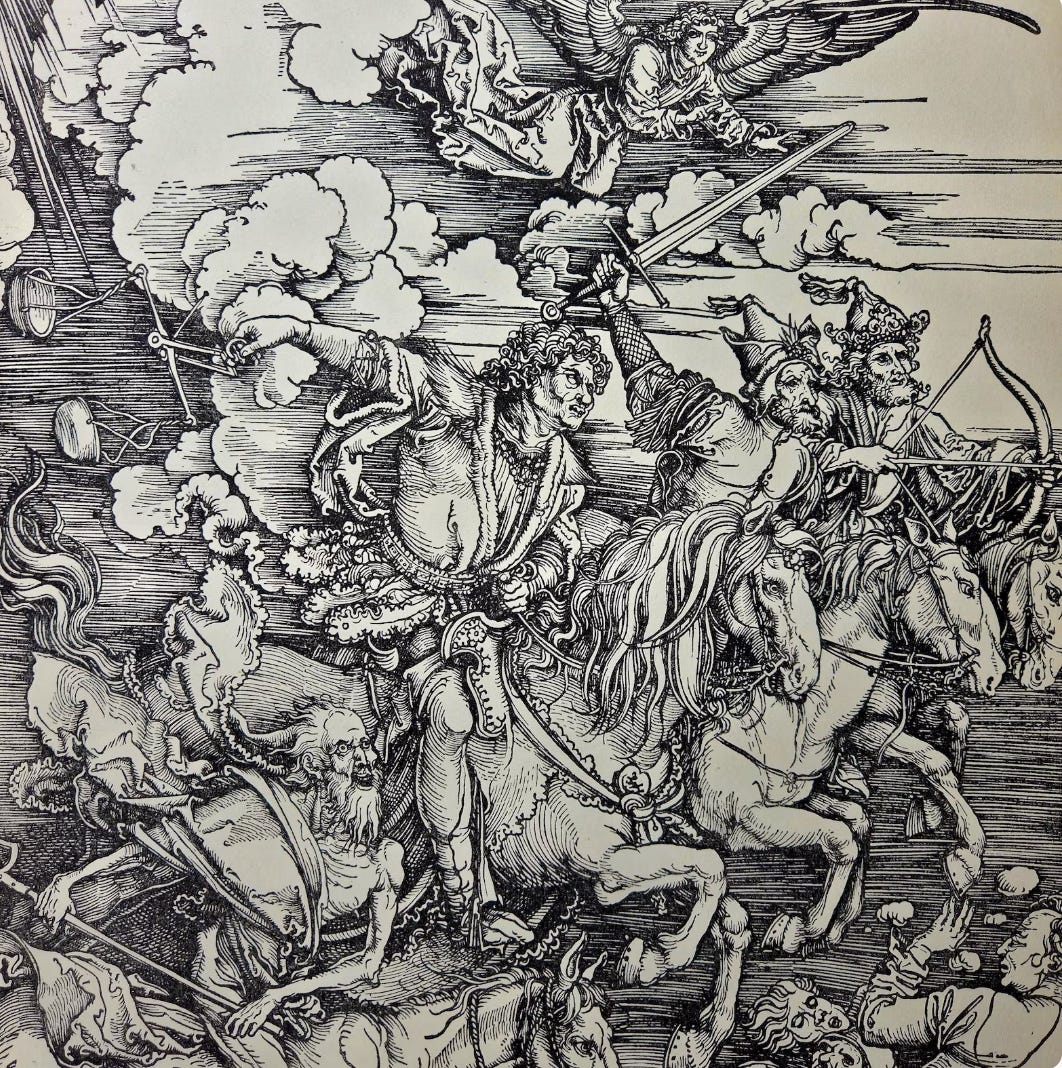
The painting depicts the passage from the Book of Revelation (6:1–8):
And I saw, and behold, a white horse, and its rider had a bow; and a crown was given to him, and he went out conquering and to conquer. When he opened the second seal, I heard the second living creature say, ‘Come!’ And out came another horse, bright red; its rider was permitted to take peace from the earth, so that men should slay one another; and he was given a great sword. When he opened the third seal, I heard the third living creature say, ‘Come!’ And I saw, and behold, a black horse, and its rider had a balance in his hand; … When he opened the fourth seal, I heard the voice of the fourth living creature say, ‘Come!’ And I saw, and behold, a pale horse, and its rider’s name was Death, and Hades followed him; and they were given great power over a fourth of the earth; to kill with sword and with famine and with pestilence and by wild beasts of the earth.
